 11
11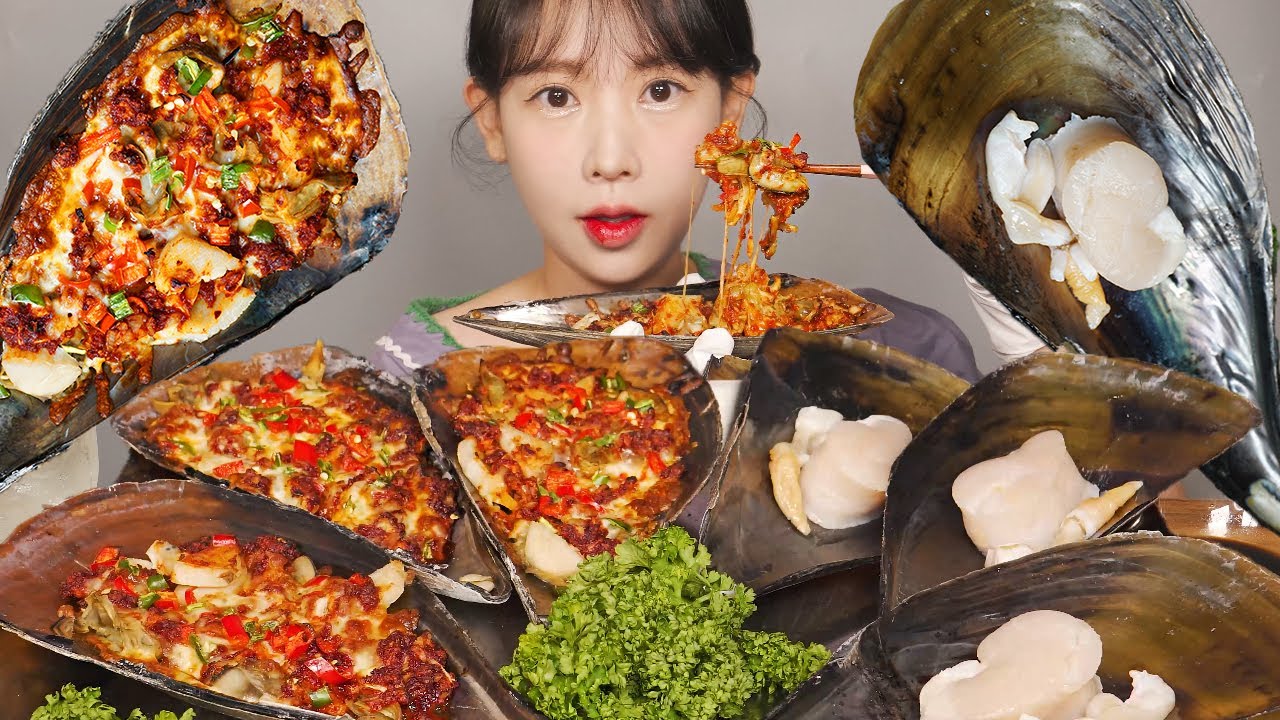
If you’ve spent any time around Korean food culture — whether through K-dramas, food vlogs, or actual trips to Korea — you’ve probably come across the magical, smoky, laughter-filled ritual known as 조개파티. Literally translating to “shellfish party,” this is not just a meal. It’s an experience. A social ritual. A full-on celebration of the ocean’s finest treasures cooked right at the table, shared with people you care about, with cold drinks in hand and the smell of the sea in the air.
Whether you’re a first-timer wondering what the whole fuss is about or a seasoned fan looking to level up your hosting game, this guide covers everything — the history, the food, the setup, the etiquette, the tips, and everything in between. By the end, you’ll not only understand why 조개파티 has become such a cultural phenomenon, but you’ll be fully equipped to host one yourself — or at least know exactly what to expect when you’re invited to one.
Related Keywords in This Article:Korean shellfish BBQ Korean seafood party shellfish grilling Korea Korean clam party Korean seafood culture seafood BBQ setup Korean street food Korean outdoor dining clam grilling tips Korean food tradition
At its core, 조개파티 is an informal gathering — often outdoors or at a seafood restaurant — where people grill a variety of shellfish on a hot plate or open grill right at the table. Think mussels popping open, clams sizzling in garlic butter, scallops turning golden, and abalone steaming gently in their shells. Add in some grilled vegetables, a few bottles of soju or beer, and the company of good friends, and you’ve got the full picture.
The concept has been around for decades in Korean coastal culture, but in recent years it’s exploded in popularity across the country — and online. Social media platforms like Instagram and YouTube are flooded with 조개파티 videos and photos, making it one of the most shared food experiences in Korean culture. The appeal is obvious: it’s interactive, it’s delicious, and it looks absolutely stunning on camera. But beyond the aesthetics, there’s something deeply satisfying about cooking your own food at the table, sharing bites with friends, and slowing down to actually enjoy the process of eating.
“There’s a reason 조개파티 feels so different from regular dining. It’s not just about food — it’s about the rhythm of cooking together, waiting together, and tasting together.”— Korean food culture blogger, Seoul
To truly understand 조개파티, you need to understand Korea’s deep relationship with the sea. Korea is a peninsula, and for centuries, coastal communities have relied on shellfish — clams, mussels, oysters, abalone, and more — as a primary food source. Shellfish were affordable, abundant, and deeply nourishing. Fishermen’s families would often cook shellfish fresh off the boat, sharing meals communally on the shore. That spirit of communal, casual, hands-on eating is very much alive in today’s 조개파티 culture.
The modern version of 조개파티 evolved from pojangmacha culture (Korean street food tents) and coastal seafood markets, where vendors would grill fresh shellfish right in front of you. Over time, the concept moved indoors to dedicated restaurants, and then outward again to backyards, rooftops, camping sites, and beaches. Today it’s as common to see a 조개파티 in a Seoul apartment’s courtyard as it is on a seaside terrace in Busan — a testament to how versatile and universally loved this tradition has become.
One of the best things about 조개파티 is that there’s no single “correct” lineup of shellfish. Every party is a little different depending on what’s in season, what’s available at the local market, and personal preferences. That said, there are some tried-and-true staples that you’ll find at almost every 조개파티 worth attending.
Clams (조개) are the undisputed star — hence the name. Korean markets typically carry several varieties, including Manila clams, surf clams, and razor clams. They cook quickly on the grill, their shells open up dramatically when done, and they’re packed with natural brininess that pairs beautifully with butter, garlic, and a splash of soju. Mussels (홍합) are another crowd favorite — meaty, rich, and quick-cooking. Scallops (가리비) are considered more of a premium ingredient, their sweet flesh crisping up on the shell and making for an impressive presentation. And then there’s abalone (전복), the luxurious one — slow-cooked in its own shell with sesame oil and a brush of soy sauce, it’s the dish that gets everyone reaching across the table.
| Shellfish | Korean Name | Flavor Profile | Cook Time | Best With |
|---|---|---|---|---|
| Clams | 조개 | Briny, sweet, oceanic | 3–5 min | Garlic butter, soju broth |
| Mussels | 홍합 | Rich, meaty, mild | 4–6 min | Spicy sauce, green onion |
| Scallops | 가리비 | Sweet, delicate, nutty | 5–7 min | Butter, sesame oil |
| Abalone | 전복 | Luxurious, umami-rich | 8–12 min | Soy glaze, sesame |
| Oysters | 굴 | Creamy, briny, fresh | 3–4 min | Ponzu, lemon, kimchi |
| Razor Clams | 맛조개 | Tender, sweet, mild | 3–5 min | Green onion oil, garlic |
Setting up a great 조개파티 is part science, part art. The physical setup matters a lot — not just for aesthetics, but for safety and practicality. First, you need a reliable heat source. Most dedicated 조개파티 restaurants use powerful gas-powered cast iron grills that heat evenly and stay consistently hot. If you’re hosting at home, a large portable gas burner with a wide flat grill plate works really well. Charcoal grills can also work and add a lovely smoky flavor, but they’re harder to control for shellfish, which need steady, medium-high heat.
The table setup is equally important. You’ll want plenty of surface area for the raw shellfish, sauces, side dishes, drinks, and shells (which pile up fast). Have tongs and small spoons ready — tongs for moving shells on the grill, small spoons for scooping out the juices and meat from the shells. Keep a large bowl nearby for empty shells so the table doesn’t become a mountain of debris halfway through. And always, always have paper towels or wet wipes on hand. 조개파티 is a hands-on affair and things will get messy — that’s part of the fun.
“The best 조개파티 setups are ones where everything is within arm’s reach — the grill, the food, the drinks, and your best people. Comfort is the whole point.”— Korean lifestyle magazine, 2023
A 조개파티 without its supporting cast would be like a concert without the band. The shellfish may be the headline act, but the sauces, side dishes, and drinks are what tie everything together into a complete experience. Let’s start with sauces. The most classic pairing is a simple garlic butter sauce — melted butter, minced garlic, a pinch of salt — spooned directly onto shellfish as they cook on the grill. Spicy versions include gochujang (Korean chili paste) blended with sesame oil and vinegar, which cuts through the richness of the shellfish beautifully.
For side dishes, expect a spread of simple Korean banchan (small side dishes) — sliced raw garlic and fresh chili to eat with the shellfish, kimchi for contrast and crunch, steamed rice or instant noodles to throw into the leftover shellfish broth at the end (this is called kkuksu, and it’s arguably the best part of any 조개파티). On the drinks side, soju is the undisputed king. Its clean, neutral flavor doesn’t compete with the seafood, and its mild alcoholic kick pairs perfectly with the social energy of the gathering. Beer (maekju), particularly a light lager, is also a popular choice — many people mix the two into a somaek (soju + beer cocktail) for maximum fun.
This is actually a more interesting debate than it sounds. Both settings offer a genuinely great experience, but they cater to different moods and circumstances. Outdoor 조개파티 — on a beach, in a backyard, at a campsite, or on a rooftop — has the advantage of fresh air, which is not a small thing when you’re grilling shellfish. The smell of seafood cooking on an open grill is incredible when you’re outside, and being surrounded by nature or city lights adds to the atmosphere significantly. There’s also something primal and deeply satisfying about eating seafood by the water or under the stars.
Indoor 조개파티 at a restaurant, on the other hand, offers consistency and convenience. Professional setups mean proper ventilation, clean tablecloths, an actual menu to choose from, and staff to help manage the grill. Many 조개파티 restaurants in Korea have become true dining destinations — with curated shellfish selections, premium sauces, and interiors designed specifically for the experience. The best indoor spots often have ventilation hoods built directly into each table, so you get all the smoky flavor without any of the smoky air. Ultimately, neither is “better” — they’re just different expressions of the same wonderful idea.
| Factor | Outdoor 조개파티 | Indoor 조개파티 |
|---|---|---|
| Atmosphere | Natural, open, scenic | Curated, cozy, controlled |
| Ventilation | Excellent (open air) | Depends on restaurant setup |
| Convenience | Requires planning | Easy — just show up |
| Variety | Limited to what you bring | Full menu options |
| Social vibe | Casual, adventurous | Relaxed, consistent |
| Best season | Spring to Fall | Year-round |
Timing matters when it comes to 조개파티 — not just for atmosphere, but for the quality of the shellfish itself. Like all seafood, shellfish have seasons, and eating them at their peak makes an enormous difference in taste. In Korea, spring (March to May) and fall (September to November) are generally considered the best times for shellfish. During these months, clams are plump and sweet, oysters are at their creamiest, and the weather is perfect for outdoor gatherings — warm enough to sit outside comfortably, cool enough that the grill doesn’t feel oppressive.
Summer has its charms too — it’s peak beach and camping season, which means outdoor 조개파티 opportunities are everywhere. However, some shellfish (particularly oysters) are less ideal in the warmer months due to bacterial risk, so it’s worth being selective. Winter 조개파티 is actually a beloved tradition in many parts of Korea, especially in coastal areas. Cold weather somehow makes the hot shellfish taste even better, and there’s something wonderfully cozy about huddling around a hot grill on a cold evening. Many Koreans consider winter oysters and mussels to be at their absolute best during the colder months.
Hosting a 조개파티 at home might seem intimidating if you’ve only ever experienced it at a restaurant, but it’s actually more approachable than you might think. The key is preparation. Source your shellfish from a reputable fishmonger or seafood market on the day of the party — freshness is non-negotiable. When you bring them home, store them in a bowl covered with a damp cloth in the fridge, never submerged in fresh water (this kills them). Give all your shellfish a good rinse and check for any that are already open and don’t close when tapped — those should be discarded.
Prep your sauces and sides in advance so that when guests arrive, the focus is entirely on cooking and eating together. Set up your grill in a well-ventilated area — your kitchen exhaust fan, an open window, or ideally outdoors. Get the grill screaming hot before you start cooking, and don’t overcrowd the surface — shellfish need space so the steam can escape and they can cook properly. Cook in batches, remove each shellfish as soon as its shell opens fully, and serve immediately. The secret to a great 조개파티 at home is rhythm — keep things moving, keep the grill hot, and keep the drinks flowing.
“The biggest mistake people make when hosting 조개파티 at home is trying to cook everything at once. Cook in waves, eat as you go, and let the meal breathe.”— Professional Korean chef, Busan
There’s a reason 조개파티 is called a “party” and not just a “shellfish dinner.” The social dimension of this gathering is inseparable from the food itself. In Korean culture, food is almost always a communal activity — dishes are shared, poured for others before yourself, and consumed in a rhythm that revolves around conversation and connection. 조개파티 amplifies all of this. When you’re all leaning over the same grill, watching the same shells pop open, and reaching for the same sauce, something magical happens. Barriers come down. Conversations get richer. Laughter comes easier.
This is why 조개파티 is such a popular choice for everything from birthday celebrations and work dinners to first dates and reunion gatherings. It provides a built-in structure for socializing — the grill gives everyone something to do and watch, the food provides a constant source of conversation, and the informal, slightly messy nature of the meal creates a leveling effect where everyone is equal around the table. It’s hard to feel stiff or formal when you’ve got garlic butter on your fingers and a shell in your hand. That’s not an accident — it’s the whole point.
What started as a deeply Korean tradition has, in recent years, traveled well beyond Korea’s borders. The rise of Korean pop culture — K-dramas, K-pop, Korean food content on YouTube and TikTok — has introduced millions of people worldwide to the concept of 조개파티. Korean restaurants in cities like New York, Los Angeles, London, Sydney, and Tokyo have started offering dedicated 조개파티 experiences, often with full tabletop grills and authentic Korean shellfish selections.
What’s interesting is that the concept has also inspired local adaptations around the world. In the United States, Korean-American food communities have fused the 조개파티 format with American BBQ traditions, creating hybrid experiences that feel both familiar and fresh. In Southeast Asia, where shellfish culture is already deeply embedded in local food traditions, Korean-style 조개파티 has found particularly enthusiastic audiences. The universality of the concept — good seafood, shared cooking, good company — translates beautifully across cultures, and that’s exactly why it keeps spreading.
Beyond the joy of the experience, there’s a genuinely strong nutritional case for shellfish. Clams, mussels, oysters, and scallops are all extraordinarily rich in protein while being low in fat and calories — making them one of the most nutritionally efficient foods on the planet. They’re also packed with essential micronutrients that many people are chronically deficient in. Oysters, for instance, are one of the best dietary sources of zinc, which is critical for immune function and wound healing. Clams and mussels are among the richest sources of vitamin B12 — essential for nerve function and energy metabolism.
The way shellfish are prepared in a typical 조개파티 also tends to preserve their nutritional value better than many other cooking methods. Grilling in the shell with minimal added fat means you’re getting most of the nutrients intact, without the caloric burden of deep frying or heavy cream sauces. Yes, the butter and garlic add some richness, but the overall meal profile remains genuinely nutritious. So the next time someone asks if 조개파티 is “healthy,” you can confidently say yes — it’s one of the better ways to enjoy a celebratory meal without the guilt.
One of the most underappreciated things about 조개파티 is that it doesn’t have to be expensive. While premium venues and rare shellfish can certainly drive costs up, the basic experience is fundamentally accessible. Clams and mussels, the backbone of most 조개파티 spreads, are among the most affordable seafood options available — especially when bought fresh from a seafood market. A generous spread of shellfish for four people can often be assembled for the cost of a mid-range restaurant meal.
The DIY approach is where the real value lies. Buy your shellfish fresh, prep your own sauces (garlic, butter, soy, sesame — all pantry staples), and pick up a few bottles of affordable soju or beer. You don’t need a fancy restaurant or an elaborate setup to have an amazing 조개파티. A portable gas burner, a flat grill plate, and the right company is really all it takes. This accessibility is part of why 조개파티 culture has such broad appeal — it’s a genuinely democratic experience that anyone can participate in and enjoy.
Even seasoned shellfish lovers can run into pitfalls when hosting or attending a 조개파티. The most common mistake is overcooking the shellfish. Once the shell opens, the meat is ready — cooking it further only toughens the texture and dries out the flavor. Keep a close eye on the grill and remove each piece as soon as it’s done. Another frequent misstep is skipping the freshness check. Dead shellfish should never be eaten, so always discard any that don’t open during cooking or are already gaping open before they hit the grill.
On the hosting side, not having enough ventilation is a surprisingly common issue — shellfish steam produces a strong, persistent smell that can linger in a poorly ventilated space. Plan ahead. Also, underestimating quantities is a classic mistake. Shellfish are light and people eat a lot more than they think they will, especially in the festive atmosphere of a 조개파티. A good rule of thumb is to plan for about 500 grams of shellfish per person as a minimum, and more if it’s the main course without significant side dishes. When in doubt, buy more than you think you need — leftover grilled shellfish is never a problem.
Beyond the coastal cities famous for shellfish, inland cities like Daegu have cultivated their own unique late-night food and entertainment scene that perfectly complements the 조개파티 experience. After a satisfying seafood feast, many locals head out to explore the city’s vibrant nightlife districts, where street food stalls, bars, and entertainment venues keep the energy going well past midnight. For those looking to discover the best spots for after-hours dining and entertainment in Daegu, 대밤 serves as a comprehensive local guide to the city’s most popular nightlife destinations.
If you’re visiting Korea and want to experience a top-tier 조개파티, you don’t need to look far — but knowing where to go makes a real difference. Coastal cities are naturally the best starting points. Busan, Korea’s second-largest city, is particularly famous for its seafood culture and has dozens of excellent 조개파티 restaurants along its waterfront and in its famous seafood markets. The Jagalchi Market area in Busan is a must-visit — you can buy fresh shellfish directly from the market and have them cooked immediately at attached restaurants upstairs.
In Seoul, dedicated 조개파티 restaurants have proliferated in neighborhoods like Mapo, Hongdae, and Mapo-gu, where younger crowds have embraced the culture enthusiastically. Many of these spots have Instagram-worthy setups with carefully curated shellfish selections and premium sauces. Incheon, just outside Seoul, is another excellent destination — as a port city with a long fishing tradition, it has access to some of the freshest shellfish in the country. Wherever you go, don’t be afraid to ask the staff what’s fresh that day — any good 조개파티 restaurant will be happy to guide your selection based on what’s at its peak.
조개파티 is more than a meal — it’s a celebration of connection, freshness, and the simple joy of good food shared with great company. From its roots in Korean coastal communities to its current status as a viral food phenomenon embraced across the globe, 조개파티 has earned its place as one of the most joyful and satisfying eating experiences in modern food culture. Whether you’re planning your first gathering at home, booking a reservation at a dedicated restaurant, or simply trying to understand what all the excitement is about, the most important thing to know is this: 조개파티 is better experienced than explained. Get around a hot grill, pile it with fresh shellfish, open something cold to drink, and let the evening take care of itself. You’ll understand immediately why people keep coming back for more.
So gather your favorite people, hit your local seafood market, fire up that grill, and discover the magic of 조개파티 for yourself. The shells are waiting.
The term 조개파티 is a straightforward Korean compound: 조개 (jokaе) means “shellfish” or “clam,” and 파티 (pati) is borrowed from the English word “party.” Together, the name literally means a “shellfish party.” The name reflects both the main ingredient and the celebratory, communal spirit of the gathering. While shellfish grilling has deep roots in Korean coastal culture going back centuries, the specific use of the term 조개파티 to describe this type of social eating event became widespread in the 2010s, largely driven by social media and the rise of food culture content online. Today, 조개파티 is recognized across all generations in Korea as a shorthand for a specific kind of fun, informal, seafood-centered gathering.
This is one of the most practical and important questions for anyone new to 조개파티. The golden rule is simple: shellfish are done when their shells open fully. For clams, mussels, and oysters, this usually takes anywhere from 3 to 6 minutes on a hot grill. Once the shell opens wide and you can see the meat inside is firm (not translucent or jelly-like), it’s ready to eat. Scallops, which are often cooked in the shell with their flat side up, are ready when the meat turns opaque and pulls away slightly from the shell edge. Abalone takes longer — typically 8 to 12 minutes — and is done when it feels firm to a gentle press. The critical rule: never eat a shellfish that was already open before cooking and didn’t close when tapped, and never eat one that fails to open during cooking. These are signs the shellfish was not alive and should be discarded immediately.
Absolutely, and you’d be surprised how versatile the 조개파티 concept is when it comes to equipment. The traditional setup uses a flat cast iron grill plate over a gas burner, but many alternatives work well. A standard outdoor gas grill works perfectly for shellfish — just make sure the grates are tight enough that shells don’t fall through, or use a grill basket. A large cast iron skillet or flat griddle on a stovetop is another excellent option for indoor gatherings. Even a portable induction cooktop with a wide pan can get the job done. The key priorities are consistent heat, adequate surface area for your shellfish, and good ventilation. You don’t need specialized Korean equipment to have an authentic 조개파티 experience — the ingredients, the spirit, and the company matter far more than the specific hardware.
Drink pairing is genuinely an art at a 조개파티, and Koreans have developed strong opinions on the matter over many years of collective experience. Soju is the classic choice — its clean, neutral taste doesn’t overpower the delicate briny flavors of the shellfish, and its social role in Korean dining culture makes it feel perfectly at home. The popular somaek (a mixture of soju and beer, typically at a 3:7 ratio) is another crowd-pleaser that combines the smoothness of soju with the crispness of a cold lager. For non-alcoholic options, sikhye (a traditional sweet rice drink) or a cold barley tea (boricha) work beautifully — both are palate-cleansing and Korean in character. Wine lovers might consider a crisp, dry white wine like a Korean Cheongsong apple wine or an unoaked Chardonnay, which complements shellfish excellently. The common thread across all good 조개파티 drinks is that they should be cold, refreshing, and not overly sweet or heavily flavored.
This is an important question worth thinking about carefully before hosting or attending a 조개파티. Shellfish allergies are among the most common and potentially serious food allergies — and unfortunately, 조개파티 is built entirely around shellfish, making it a genuinely difficult event for people with these allergies to participate in safely. Cross-contamination from shared grills and surfaces is a real concern even if allergen-free alternatives are provided. If you’re hosting and one of your guests has a shellfish allergy, it’s best to have a direct conversation with them about the risks and consider either accommodating them with a completely separate cooking setup or choosing a different type of gathering.
For vegetarians or people who avoid meat but eat seafood (pescatarians), 조개파티 is often a wonderful fit. For those following stricter plant-based diets, the shellfish-centric nature of the event means there’s limited main course options, though the side dishes and accompaniments can often be made fully plant-based. Soy sauce and garlic butter sauces can be modified with plant-based butter, and the vegetable sides are naturally vegan-friendly. The key, as with all dietary restrictions, is communication with your host before the event.
Quantities for 조개파티 are one of those things that always seem to surprise first-time hosts — people inevitably eat more than expected. A practical baseline is around 500 grams to 700 grams of mixed shellfish per person when 조개파티 is the main event of the meal (not a starter). If you’re supplementing with significant side dishes — rice, noodles, meat — you can reduce this to around 400 grams per person. Keep in mind that shellfish lose weight when cooked (water evaporates, shells stay behind), so the actual edible yield per kilogram of raw shellfish is lower than it looks. For a 조개파티 with 6–8 people, a mix of 3–4 kilograms of shellfish is a reasonable starting point. It’s almost always better to have a little too much than not enough — the atmosphere suffers quickly if the food runs out before the party does.

